
The best backyard ideas begin with a feeling: golden light stretching across the patio, laughter drifting through the evening air, the low flicker of a fire feature, and the irresistible scent of dinner sizzling in an outdoor kitchen. Summer has a way of softening the edges of a busy day. It draws people outside, slows the pace, and turns simple moments into something worth remembering. A backyard for summer entertaining is more than just patch of lawn behind the house. With thoughtful design, it becomes a living, breathing stage for connection.
A well-planned outdoor living space works like a beautifully composed song. The patio sets the rhythm, the kitchen adds energy, the fire feature brings warmth, the lighting carries the evening, and the planting softens everything with movement, colour, and life. Every element has a role to play. When those pieces are arranged with intention, the backyard becomes more than a place to sit. It becomes an extension of the home, a gathering space, a retreat, and sometimes the best room in the house.
A great summer backyard design blends beauty with function. It considers where guests will gather, how food will be served, where shade will fall, how people will move through the space, and what the yard will feel like after sunset. The result is a backyard that feels effortless, even though every detail has been carefully considered.
Start with the Heart of the Gathering: The Patio
Every memorable backyard needs an anchor. For summer entertaining, the patio is often the heart of it all. It is the open-air living room, the foundation beneath every summer celebration, and the place where conversation, dining, and relaxation come together.
The best patios begin with layout and flow. Before choosing materials or furniture, it helps to think about how the space will actually be used. Will guests gather around a dining table? Will there be a lounge area for evening drinks? Is the patio meant to connect to an outdoor kitchen, fire feature, hot tub, garden path, or back door? A successful patio guides movement, welcoming people in and gently directs them from one zone to the next.
Size matters, but not in the way many homeowners think. A patio does not need to be massive to be effective. It needs to be proportioned properly. A dining area needs enough room for chairs to be pulled out comfortably. A lounge area needs space for seating, side tables, and clear walking paths. A fire feature needs a safe and comfortable distance from furniture. When these details are planned well, the patio feels generous even when the footprint is modest.
Material choice also shapes the mood. Natural stone brings texture and timeless character. Pavers offer structure, pattern, and durability. Concrete can feel sleek and modern, especially when paired with clean lines and warm planting. Mixed materials can create visual interest, separating dining, lounging, and transition zones without needing walls or barriers. The patio becomes the canvas, and every material choice adds a different brushstroke.
Outdoor Kitchens: Where Hospitality Meets Luxury
An outdoor kitchen transforms hosting from a series of trips in and out of the house into a smooth, social experience. It allows the cook to stay part of the conversation rather than disappearing behind a back door. It turns meal preparation into performance, warmth, and shared anticipation. In the right setting, an outdoor kitchen becomes a culinary theatre beneath the sky.
The foundation of an outdoor kitchen is usually the grill, but the best designs go far beyond a barbecue on the edge of the patio. Built-in grills create a polished, permanent feeling and can be paired with countertops, storage, prep stations, sinks, and side burners. These features make outdoor cooking more practical and enjoyable, especially when hosting larger groups.
Prep space is one of the most underrated parts of outdoor kitchen design. A generous counter gives you room for trays, marinades, serving platters, drinks, utensils, and all the little things that otherwise clutter a dining table. It keeps the process organized and lets the host move with ease. Good design removes friction. Great design makes hosting feel graceful.
Bars and beverage areas can also bring a sense of occasion to the space. A small bar counter, beverage fridge, or built-in cooler creates a natural gathering point where guests can serve themselves and linger. It separates traffic from the cooking zone while still keeping everyone close enough to chat. Add comfortable stools, layered lighting, and nearby planters, and suddenly the outdoor kitchen feels less like a utility area and more like a destination.
Dining integration is equally important. The kitchen should relate naturally to the eating area, with enough distance to avoid smoke and heat but close enough to make serving easy. When the grill, prep station, bar, and table work together, the backyard feels like a seamless extension of the indoor kitchen and dining room.
Outdoor kitchens are practical, yes, but they also carry a sense of luxury. Not flashy luxury. Useful luxury. The kind that makes a Friday evening feel like a holiday and a family dinner feel like an event.
Fire Features That Draw People Together
Fire has always had a magnetic pull. Long before patios, pergolas, and outdoor kitchens, people gathered around flames for warmth, food, storytelling, and companionship. In a modern backyard, fire features still carry that ancient invitation. They draw people in, allow life to slow down, and turn a seating area into a circle of conversation.
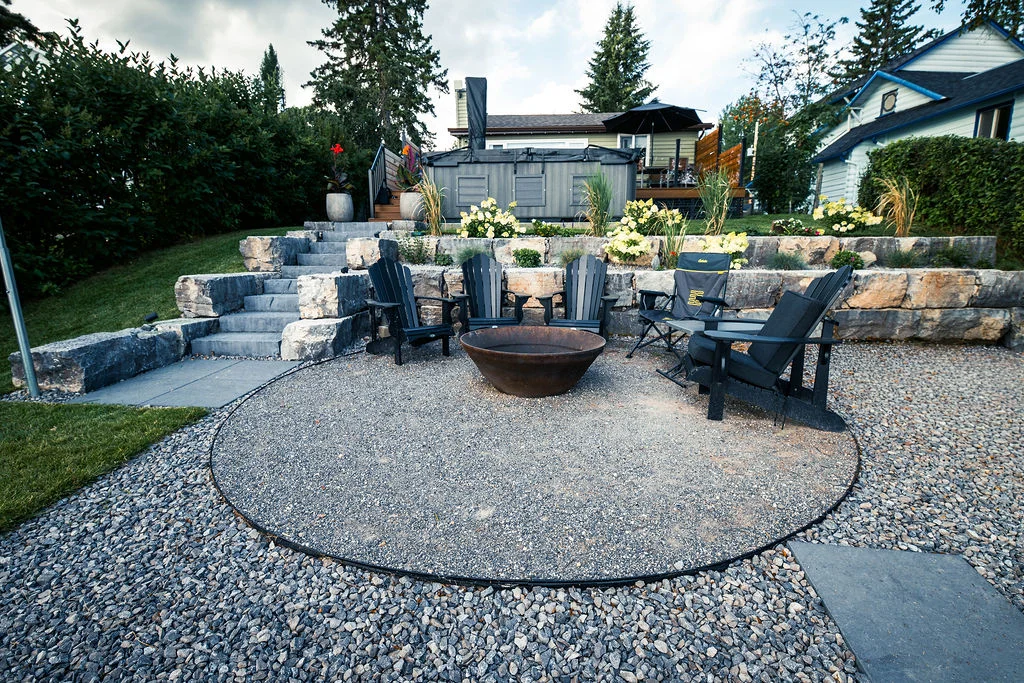
Fire pits are casual, social, and wonderfully flexible. They work beautifully as central gathering points, especially when surrounded by deep chairs, built-in seating, or curved benches. A fire pit encourages people to face one another, which makes it ideal for relaxed conversation, marshmallow roasting, and late-night storytelling.
Outdoor fireplaces create a different feeling. They bring height, structure, and a strong focal point to the landscape. A fireplace can define an outdoor room, block wind, add privacy, and create a sense of enclosure. Where fire pits feel communal and informal, fireplaces feel architectural and intimate. Both can be beautiful; the right choice depends on the mood and function of the space.
Seating arrangements are key. A fire feature should feel comfortable, not crowded. Chairs need enough space to move, guests need clear pathways, and materials should be chosen with safety and durability in mind. Stone, concrete, and pavers are popular surrounding materials because they handle heat well and visually ground the area.
One of the greatest strengths of fire features is seasonal versatility. In summer, they extend the evening after the sun drops. In spring and fall, they make cooler nights inviting. In a northern climate, they can stretch the life of the backyard far beyond the hottest weeks of the year. For homeowners exploring Edmonton outdoor living ideas, a well-designed fire feature can be one of the most rewarding investments because it adds atmosphere and comfort through more of the season.
Fire is not just a design element. It is the magnetic centre of conversation, the glowing pause in a busy world.
Pergolas, Shade Structures, and Comfort Features
A beautiful backyard must also be comfortable. Summer entertaining is much more enjoyable when guests can find shade, shelter, privacy, and relief from the elements. This is where pergolas, covered patios, privacy screens, and other comfort features become essential.
Pergolas are especially effective because they create the feeling of an outdoor room without fully closing it in. Their beams filter sunlight, casting soft patterns across the patio like moving lace. They provide height, rhythm, and architectural interest. When paired with climbing plants, curtains, string lights, or retractable shade, a pergola can become one of the most atmospheric features in the yard.
Covered patios offer more protection and can make outdoor dining possible through varying weather. They are ideal for homeowners who want a dependable hosting area that feels closely connected to the house. A roof structure can also support lighting, fans, heaters, or speakers, adding another layer of functionality.
Privacy screens are another powerful tool. A backyard designed for entertaining should feel open to guests but protected from the outside world. Screens, hedges, trellises, ornamental grasses, and layered planting can soften views, reduce wind, and create a more intimate atmosphere. Done well, privacy screens frame the space without feeling closed in.
Comfort features are what make people stay. Shade, shelter, warmth, privacy, and softness all work together to make a backyard feel less like a display and more like a place to live.
Lighting That Extends the Evening
When the sun sets, lighting takes over as the storyteller. It changes the mood, defines the pathways, highlights textures, and guides the night with a golden glow. Without lighting, even the most beautiful backyard can disappear into darkness. With thoughtful lighting, it becomes more magical after dusk.
Path lighting is both practical and atmospheric. It helps guests move safely between patios, steps, garden paths, and different backyard zones. Bistro lights bring instant warmth and celebration. Strung above a dining area, between pergola beams, or across a patio, they create a canopy of glow that feels warm and inviting.
Accent lighting adds depth. Uplighting a tree, grazing light across stonework, or highlighting ornamental grasses can make the landscape feel layered and alive. Fire and water features become even more dramatic when light catches their movement. Flames flicker, water glimmers, leaves shimmer, and the whole backyard begins to feel animated.
Safety should always be part of the design. Steps, level changes, cooking areas, and seating zones need appropriate illumination. The trick is to provide enough light without washing away the atmosphere. Harsh lighting can make a backyard feel exposed. Warm, layered lighting makes it feel inviting.
Water Features and Finishing Touches
The finishing touches are where a backyard gains its personality. These details may not be the largest features, but they often create the strongest emotional impression. A water fountain near a seating area, a small pond tucked beside the patio, lush planters around the dining space, or seasonal flowers near the entry can turn a functional backyard into a sensory experience.
Water features bring movement and sound. A fountain adds a soft, steady rhythm that can mask neighbourhood noise and create a calming backdrop. A small pond introduces reflection, texture, and life. Even a compact bubbling rock can make a seating area feel more peaceful. Water cools the mood of a space, balancing the heat of fire, stone, and sun.
Planters are another powerful design tool. Large containers can frame a patio, define an outdoor kitchen, soften hardscape edges, or add colour where permanent beds are not practical. Layered greenery brings the backyard to life, especially when planters include a mix of upright plants, trailing foliage, and seasonal flowers.
Outdoor décor should feel intentional rather than cluttered. Cushions, rugs, lanterns, pottery, and artful containers can add comfort and character, but they work best when tied into the overall design palette. Repetition helps. A recurring colour, texture, or material can make the whole backyard feel cohesive.
Layered planting is one of the most beautiful backyard landscaping ideas because it creates depth and softness around entertainment spaces. Trees provide overhead structure, shrubs form the middle layer, perennials add texture and bloom, and annuals bring seasonal punch. Together, they prevent patios and kitchens from feeling like they were dropped into the yard. Instead, the hardscape and planting begin to speak the same language.
The best finishing touches do not compete for attention. They complete the scene.
Why Professional Landscaping Makes the Difference
A backyard can have excellent individual features and still feel disconnected. A patio here, a grill there, a fire pit in the corner, a few lights along the path—each piece may be useful, but without a cohesive plan, the space can feel like a collection of parts rather than a true outdoor living environment. Professional landscaping brings those pieces together.
Design expertise begins with understanding how the yard should function. A professional considers sunlight, wind, drainage, grade changes, traffic flow, sightlines, privacy, existing structures, and long-term maintenance. These practical details may not be glamorous, but they are the bones of a successful backyard.
Space utilization is especially important. Many homeowners know what features they want, but not where those features should go. A professional can determine whether the dining area
belongs near the house, whether the fire feature should sit at the edge of the patio or in its own destination zone, where shade is needed most, and how pathways should connect everything naturally.
Material expertise also matters. Outdoor materials need to handle weather, foot traffic, freeze-thaw cycles, moisture, heat, and time. The right paver, stone, wood, composite, or concrete choice can affect not only the look of the space but also its durability and maintenance needs. Good design should be beautiful on installation day and still make sense years later.
Professional Edmonton backyard landscaping can also help ensure that patios, kitchens, lighting, pergolas, planting, drainage, and finishing details are integrated properly from the beginning. This matters because outdoor features are deeply connected. A patio affects drainage. Lighting affects planting. A pergola affects shade. A kitchen affects traffic flow. When everything is planned together, the result feels seamless.
Craftsmanship is where vision becomes reality. Clean lines, solid construction, thoughtful transitions, and careful planting turn a concept into a place people can actually enjoy. The difference is not just how the backyard looks. It is how it feels to move through it, host in it, and live in it.
Turn Summer into a Destination
A thoughtfully designed backyard has the power to turn summer into a destination without leaving home. It becomes the place where birthdays unfold under glowing lights, where neighbours linger longer than planned, where kids chase fireflies across the lawn, where dinner tastes better because it was cooked outside, and where the evening ends with embers, laughter, and one last drink on the patio.
The best backyard ideas are about choosing the right elements and arranging them with purpose. A patio gives the space a foundation. An outdoor kitchen brings hospitality to life. A fire feature gathers people close. A pergola offers shelter and atmosphere. Lighting extends the evening. Water, planting, and finishing touches soften the scene and make it sing.
With the right design, a backyard not only becomes prettier, it becomes more useful, more welcoming, and more deeply connected to the way people want to live. It holds meals, milestones, quiet mornings, loud celebrations, and all the golden, fleeting moments that make summer feel like summer.
Turn your backyard into your favourite place to gather. Connect with Salisbury Landscaping to start designing an outdoor space built for how you live, host, and relax